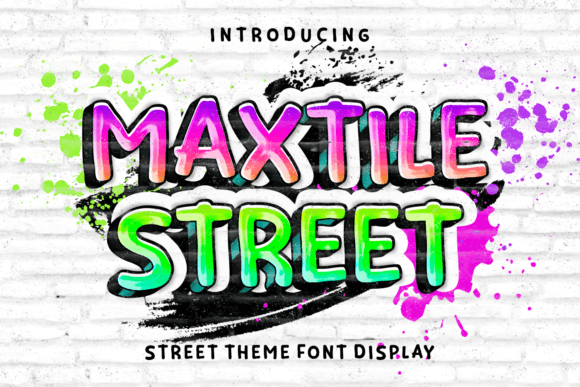
Graffiti Street Comic Font for Web Design and Branding
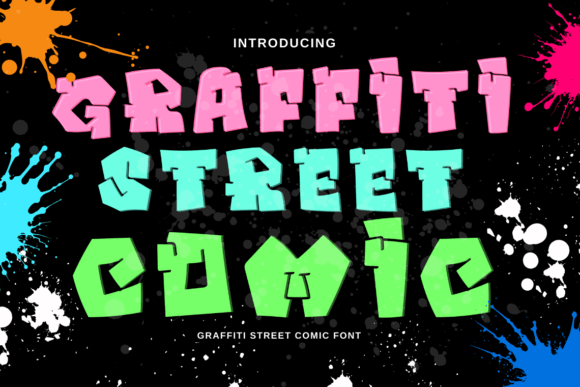
Last week I was building a landing page for a client who runs a streetwear-inspired candle shop, and I needed a display typeface that could scream attitude without sacrificing legibility. I had recently downloaded Graffiti Street Comic and decided to test it in the hero section mockup. The moment I dropped that first product name into the design, I knew this font had the raw energy I had been searching for. The Graffiti Street Comic font brings an authentic graffiti and grunge-style art graphic vibe to any digital project, and as a web designer who also creates product mockups, social media templates, and branding assets, I have now tested it across multiple real client workflows. This display font is not just another edgy typeface; it is a versatile design tool that translates beautifully from screen to print, from website headers to product labels.
Graffiti Street Comic for Website Headers and Hero Sections
When I first opened Graffiti Street Comic in my design software, I immediately saw its potential for bold website headers and hero section titles. This display font carries a street art authenticity that feels hand-drawn yet structurally reliable, making it perfect for brands that want to communicate rebellion, youth culture, or urban sophistication. I tested it on a hero section for a boutique sneaker reseller, and the typography instantly elevated the perceived value of the page. The uneven letterforms and slight grunge texture give each character a tactile quality that flat sans serif fonts simply cannot replicate. For web design, I found that Graffiti Street Comic works best for short, punchy headlines—brand names, taglines, and section titles—where the decorative detailing can breathe without overwhelming the layout. In one project, I used it for a hero heading above a full-width product image, and the contrast between the rough type and the clean photography created a professional yet gritty aesthetic that the client loved. The font loads cleanly in web formats when properly embedded, and it retains its character even at smaller screen sizes, which is a concern many display typefaces fail to address.
Using Graffiti Street Comic for Social Media Graphics and Brand Assets
Social media content demands instant recognition, and Graffiti Street Comic delivers that in spades. I have used this font across Instagram story templates, Pinterest pins, and Facebook cover designs, and it consistently grabs attention in crowded feeds. For a client selling limited-edition apparel, I created a series of quote graphics using Graffiti Street Comic paired with a clean sans serif font for the body text. The combination allowed the bold, expressive headlines to stand out while keeping the overall composition readable and professional. In my experience, the Graffiti Street Comic font works exceptionally well for brand identity elements like logo lockups, watermark designs, and social media profile headers. Its street art personality appeals to audiences in the skate, music, streetwear, and underground art niches, but I have also found success using it for more unexpected markets like artisanal food packaging and indie book covers. The key is to let the font lead the visual story and pair it with minimalist supporting elements. When I used it for a digital branding kit, the client reported that their audience engaged more with posts that featured this typeface compared to their previous generic typography. The emotional pull of graffiti-style lettering creates a sense of exclusivity and cultural relevance that standard fonts rarely achieve.
Graffiti Street Comic for Digital Printables and Product Mockups
Printable product creators will find a lot to love in Graffiti Street Comic. I tested it on digital wall art mockups, planner sticker sheets, and invitation previews, and the font holds up remarkably well at various sizes. For a set of printable concert posters, I used Graffiti Street Comic for the headliner names and event details, and the grunge textures added a live-show authenticity that plain digital type could never mimic. When preparing mockups for Etsy listings, this font gives product images a premium, handcrafted feel that converts browsers into buyers. I noticed that the font works particularly well for short phrases and decorative wording—think band names, event titles, inspirational quotes, and product slogans. However, I do recommend caution when using it for very small text, such as fine print on stickers or tiny labels on packaging mockups. The decorative details can blur at reduced sizes, so I always pair Graffiti Street Comic with a simple sans serif or serif font for body copy and legal text. For cutting machine users, the letterforms are clean enough for Cricut and Silhouette projects if you choose the right size and material. I tested it for a vinyl decal design on a laptop mockup, and the cut lines followed the character outlines smoothly without excessive weeding issues.
Graffiti Street Comic for Product Labels, Packaging, and Merchandise
Physical product design is where Graffiti Street Comic truly shines. I have used it for candle labels, boutique tags, tote bag prints, and even a limited-run shirt design, and the font brings a consistent street-level credibility to every item. For a client launching a small-batch hot sauce line, I applied Graffiti Street Comic to the front label and combined it with a handwritten font for ingredient notes. The result was a shelf-ready product that looked both artisanal and rebellious. The font’s thick strokes and confident shapes ensure it remains legible on curved surfaces like mugs and bottles, and it prints clearly on kraft paper, matte stickers, and glossy packaging alike. I have also tested it for seasonal product tags and holiday gift labels, and the grunge aesthetic adds a refreshing twist to traditional seasonal designs. One of my favorite applications was using Graffiti Street Comic for a wedding welcome board at an urban loft venue—the font brought a modern, non-traditional energy that perfectly matched the couple’s style. For handmade sellers, this font can become a signature element of your brand identity, helping your products stand out in a saturated marketplace. Just be mindful that the font’s bold personality may not suit every product category; for delicate, minimalist, or luxury brands, a more refined serif or script font might be a better fit.
Font Pairing with Graffiti Street Comic for Cohesive Web Design
Finding the right companion fonts for Graffiti Street Comic was essential for my web design projects. I have found that the most effective pairings involve clean, neutral typefaces that do not compete with the font’s expressive character. A simple sans serif like Montserrat or Open Sans works beautifully for body text, navigation menus, and secondary headings. For a more editorial feel, I have paired Graffiti Street Comic with a lightweight serif like Playfair Display, which creates an interesting tension between urban grit and classic elegance. Script and handwritten fonts can also complement Graffiti Street Comic if you use them sparingly for accents or callout text. When I built a brand identity for a street artist collective, I used Graffiti Street Comic for the main logo and a handwritten font for tagline details, and the combination felt cohesive without being chaotic. The best approach is to let Graffiti Street Comic be the star of the typographic hierarchy and use pairing fonts to support readability and structure. I always test pairings across multiple mockups before finalizing a design, and I recommend other makers do the same to ensure the combination works in both digital and physical formats.
What to Know Before Using Graffiti Street Comic for Commercial Projects
Before you integrate Graffiti Street Comic into your shop listings, printables, or branding assets, there are a few practical details to consider. First, check the commercial licensing terms included with your download. Some font licenses cover physical products and digital templates but exclude certain resale uses, so it is important to verify that your intended use is allowed. I always review the file formats included—typically OTF, TTF, and WOFF—to ensure compatibility with my design software and web platforms. The font supports multilingual characters in most cases, which is helpful if you create products for international audiences. I also recommend testing the font at different sizes and on different materials before committing to a production run. In my tests, Graffiti Street Comic performed best for titles, names, short phrases, and decorative elements, while longer paragraphs and very small text required a more legible alternative. For web designers, embedding the font correctly on your site will ensure consistent rendering across browsers. Overall, this display font is a powerful addition to any maker’s toolkit, offering a distinctive street art voice that resonates with modern audiences and elevates both digital and physical products.